What a Modular Factory Tour Can Tell You That Drawings Can’t
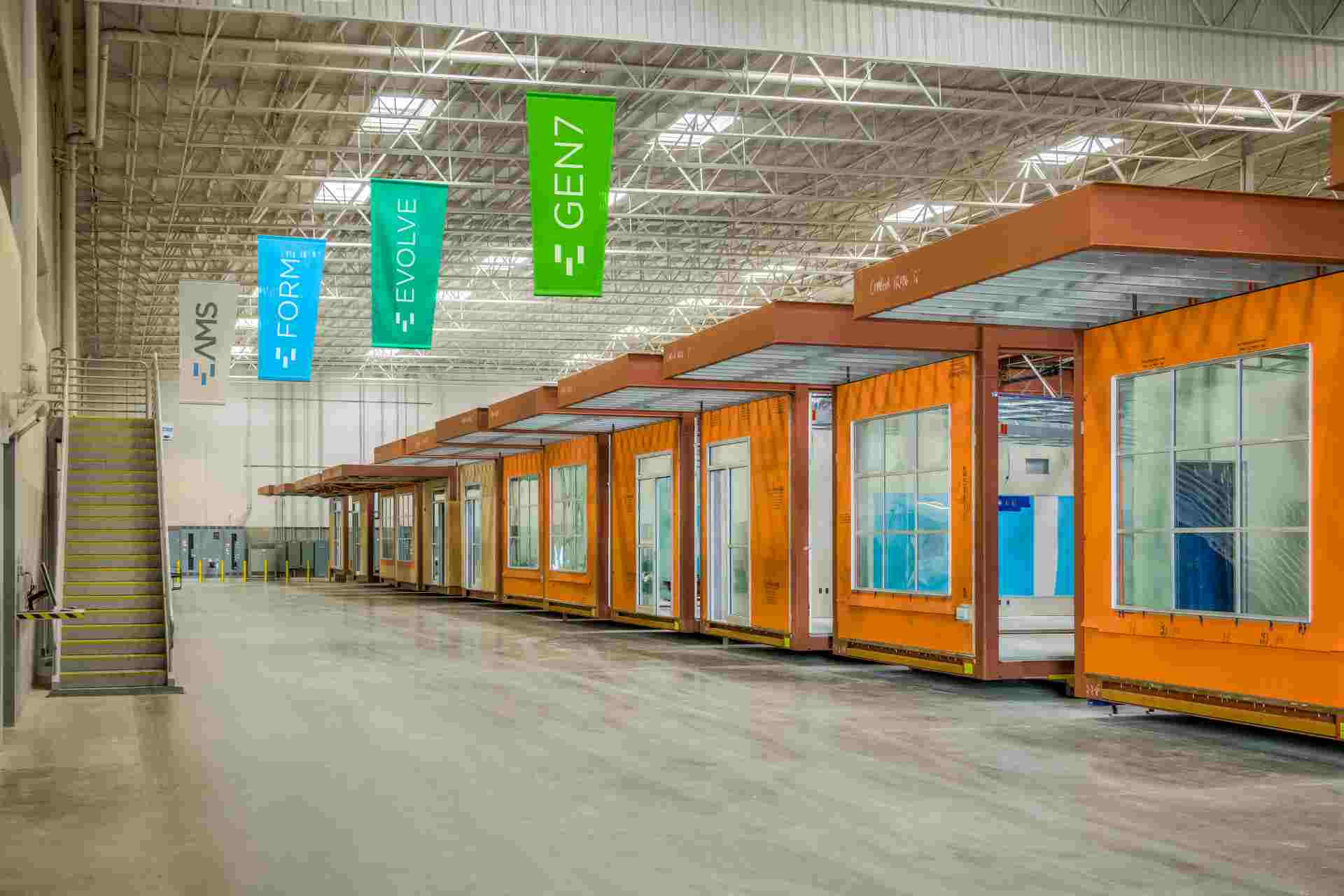
Evaluating modular construction is a high-stakes process. When a school district is preparing to commit millions of bond dollars to a building program, decisions made during the planning phase have a lasting impact. Drawings, proposals, and pricing can communicate a lot, but they don’t show you how a project is actually built or whether a manufacturer can reliably deliver what they’ve promised.
For many district leaders, facilities teams, and architects, visiting the factory is the step that brings everything into focus.
Proposals Only Go So Far
Modular construction is frequently evaluated on paper, with teams comparing plans, timelines, and budgets across multiple manufacturers. The challenge is that not all manufacturers operate the same way, and the differences that affect project outcomes aren’t always visible in a written proposal.
Production sequencing, quality control systems, manufacturing environment, coordination between the factory floor and the job site are all elements that determine whether a project runs smoothly or runs into problems. A factory visit lets your team see those elements directly, before making a commitment.
What You Learn on a Modular Factory Tour
A factory visit gives project teams direct visibility into how modular buildings are actually delivered. Walking the production floor alongside the people building your project offers a level of understanding that no document can replicate.
Teams who visit the AMS factory typically come away with a clearer picture of the following:
- How buildings move through production
- Quality control and consistency processes
- Sequencing and site coordination
- The in-plant inspector role in DSA compliance
- Timeline and delivery reliability approach
Visiting multiple factories can clarify differences in manufacturing approach, quality control, and overall execution in ways that proposals alone simply don’t surface. Seeing the process firsthand at more than one facility gives your team a more informed basis for comparison.
Perspectives from the Field
District leaders and architects across California have made the trip to the AMS factory as part of their evaluation process. Here’s what they found.
Hilmar Unified School District
Hilmar Unified School District visited the AMS factory twice during the planning process. The first visit happened during the conceptual stage, followed by a second visit that included facilities leadership, the district superintendent, a board member, staff, and the architect of record. These visits enabled key stakeholders to experience the manufacturing process firsthand and better understand how modular buildings move from production to site.
When you are tasked with making the best decision with millions of bond dollars, it is wise to take a few hours or a day to do your due diligence. Visiting the factory allowed our team to see the process firsthand, meet the in-plant inspector, and better understand how modular buildings are produced. It gave us the confidence to stand in front of our board and recommend the right solution for our district.
Hilmar Unified School District (at the time of the project); currently Ceres Unified School District
Huntington Beach City School District
District leadership visited the AMS factory while their buildings were in active production, giving them a live view of the project as it progressed through manufacturing. That visit shaped how the district approached the full project scope. The team gained direct insight into how modular construction could be coordinated with conventional site work, ultimately leading to a hybrid approach that helped the district meet both its immediate and long-term facility goals.
Touring the AMS factory gave our team the opportunity to see our buildings while they were in production, allowing us to better understand sequencing, coordination, and how modular construction would align with site-built components on our campus.
Huntington Beach City School District
Escondido Union School District
District leaders from Escondido Union School District visited the AMS factory while evaluating modular construction for their new two-story classroom building at Mission Middle School. With previous modular experience, the team came looking for a clear understanding of AMS’s approach to quality control, organization, and production consistency — and found the half-day trip from Southern California well worth the visit.
Escondido Union School District has utilized modular buildings for our projects in the past and has seen production of them at their facilities. After visiting AMS’s facility, we gained a clear understanding of the level of organization, quality control, and manufacturing environment behind their processes. It was clear to us to see how consistently the buildings move through their production, and the visit was well worth the quick trip from Southern California to experience it firsthand.
Escondido Union School District
The Architect’s Perspective
Architects frequently bring school district clients to the AMS factory as part of the evaluation process. Seeing the manufacturing environment alongside a client helps align expectations, surface design coordination opportunities and reduce risk before construction begins.
Factory tours have been a critical part of Aedis’s understanding just how modular buildings are actually delivered. From our experience on recent projects such as the additions at Capri or San Juan Elementary School, stepping into the manufacturing environment gives our designers a deeper understanding of system constraints and opportunities. When we can get our clients on site with us, the whole project team can share a common understanding of just what a customer is buying. That clarity leads to stronger coordination, fewer surprises, and better long-term value for the communities we serve.
Aedis Architects
The same value extends across the firm’s project work. Aedis’s Central Valley managing principal described the impact of a recent factory tour on a specific project.
Seeing how modular construction comes together firsthand is invaluable. During our work on classroom wings for the new David W. Gordon Elementary School in Elk Grove, the factory tour helped our team fully understand the sequencing, tolerances, and coordination required for success. That level of insight allows us to design more collaboratively with our partners at AMS, ultimately reducing risk and creating a smoother path from concept to completion for our clients.
Aedis Architects
Bringing the Right People
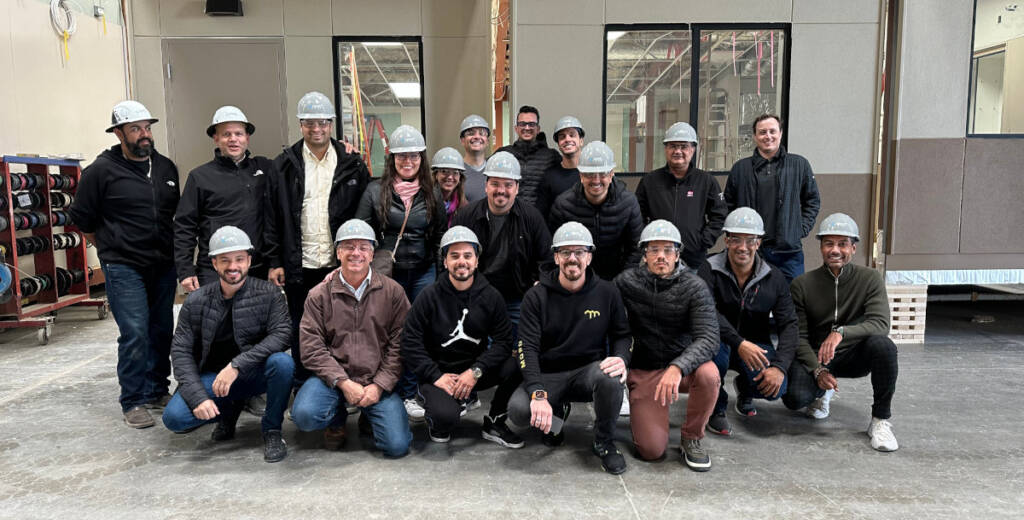
The most productive factory tours include the people whose perspectives matter to the decision. That often means facilities directors and capital project leaders, superintendents and executive leadership, architects of record, board members where appropriate, and construction management or owner’s representatives. When these stakeholders walk the production floor together, they leave with a shared understanding of what the district is buying, which translates directly into stronger coordination, fewer surprises and greater confidence in the recommendation that ultimately goes to the board.
Is the Trip Worth It?
A half-day investment that results in a multi-year decision. For teams traveling from Southern California or elsewhere in the state, the time investment is modest compared to what the visit typically produces: a clear, grounded understanding of what you’re buying and the manufacturer you’re trusting with your project.
For districts preparing to bring a recommendation to their board, that clarity has real value. The confidence that comes from seeing the process firsthand is difficult to replicate in a conference room.
Ready to see the process for yourself?
AMS is now booking private factory tours for school districts and architects evaluating modular construction.